By Joe Mondock
August 18, 2026
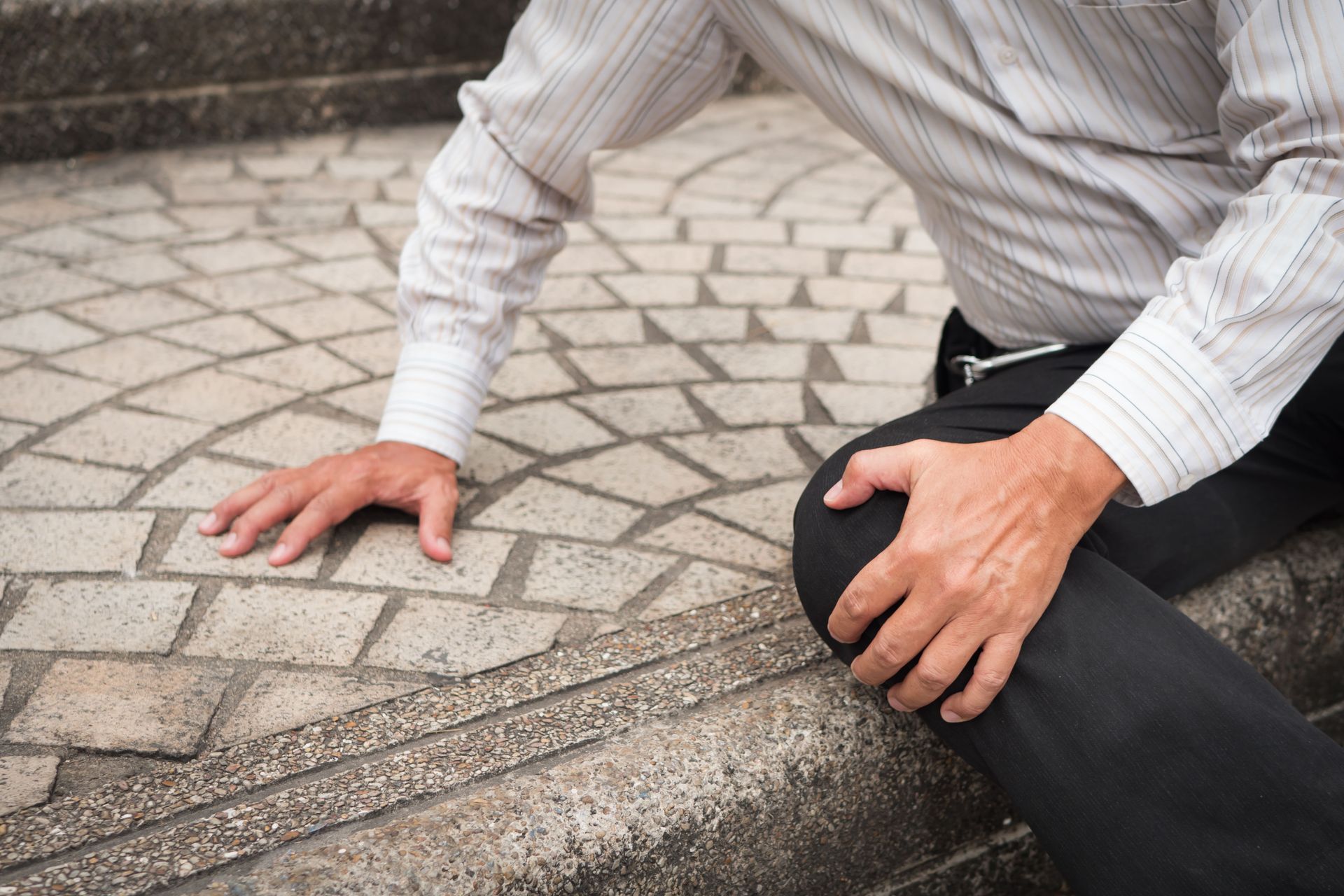
Slip and fall accidents happen in an instant, but the consequences can last far longer than the fall itself. A wet floor, a cracked sidewalk, or a poorly lit stairwell can lead to broken bones, head trauma, or spinal injuries that change a person's life. When these accidents occur on someone else's property, the question of who bears responsibility becomes central to any recovery process.
Property owners have a legal duty to keep their premises reasonably safe for visitors, tenants, and customers. When they fail to meet that duty, they may be held liable for the injuries that result. However, proving negligence in a slip and fall case is rarely straightforward. It requires a clear understanding of premises liability law, careful documentation of the hazard, and often, the guidance of an injury attorney who knows how to build a strong claim. Below are six common reasons property owners may be found responsible when someone is hurt on their premises. Read on to learn more.
1. Failing to Repair Known Hazards
One of the most straightforward paths to liability is when a property owner knows about a dangerous condition and does nothing to fix it. Cracked pavement, loose floorboards, torn carpeting, and broken handrails are all hazards that owners are expected to address promptly once identified. If an owner was aware of the issue, or should reasonably have known about it, and chose to leave it unrepaired, that decision can form the foundation of a strong claim.
Documentation matters a great deal in these situations. Maintenance logs, prior complaint records, and photographs of the hazard can help establish that the owner had notice of the problem. An injury attorney can help gather this type of evidence before it disappears or is altered, which is one of the reasons early legal involvement is so valuable after a fall.
2. Neglecting Routine Property Inspections
Property owners are generally expected to conduct regular inspections of their premises to catch hazards before they cause harm. This applies to retail stores checking aisles for spills, apartment complexes examining walkways for ice, and office buildings monitoring stairwells for wear and tear. When an owner skips these routine checks, they lose the ability to argue that a hazard was unforeseeable.
A pattern of neglected inspections can be especially damaging to a property owner's defense. If a business has no inspection schedule, no maintenance records, and no evidence that staff were trained to spot hazards, it becomes much easier to show that the fall resulted from a systemic failure rather than a freak accident. This is precisely the kind of pattern an injury attorney knows how to identify and present.
3. Ignoring Weather-Related Hazards
Ice, snow, and rain create some of the most common slip and fall conditions, particularly in regions with harsh winters. Property owners are typically required to take reasonable steps to address these hazards, such as salting walkways, shoveling entrances, or placing mats near doors to absorb moisture. When an owner ignores these precautions, especially after a storm has passed and there was ample time to respond, liability can follow.
Weather-related claims often hinge on timing. Courts and insurance companies want to know how long the hazardous condition existed before the fall and whether the property owner had a reasonable opportunity to address it. An injury attorney can help establish this timeline using weather records, surveillance footage, and witness statements, all of which strengthen the case for negligence.
4. Providing Inadequate Warning Signs
Even when a hazard cannot be immediately fixed, property owners are expected to warn visitors of its presence. A wet floor sign, a "caution: uneven surface" notice, or barricade tape around a construction area can make the difference between a safe visit and a serious fall. When owners fail to post adequate warnings, they deny visitors the chance to avoid the danger altogether.
This reason for liability often overlaps with cases involving ongoing maintenance or repairs. If a business is aware that a floor is being mopped or a section of flooring is being replaced, failing to cordon off the area or display clear signage suggests a disregard for visitor safety. An injury attorney will often examine whether reasonable warnings were in place at the time of the incident, since their absence can significantly strengthen a claim.
5. Violating Building and Safety Codes
Local and state building codes exist to set minimum safety standards for stairways, handrails, lighting, and flooring materials. When a property fails to meet these codes, whether through outdated construction, incomplete renovations, or ignored inspection notices, it may be considered inherently hazardous. A slip and fall that occurs under these conditions often points directly to owner negligence.
Code violations can be uncovered through inspection reports, permits, and expert testimony from engineers or safety consultants. These details are not always accessible to an injured party without legal assistance, which is why working with an injury attorney can be so important in cases involving structural or code-related hazards. Attorneys often bring in professionals who can assess whether a property met the required standards at the time of the fall.
6. Disregarding Safety Complaints From Guests
Many slip and fall hazards are reported before they cause harm. Tenants, customers, and employees frequently notify property owners or management about spills, broken lighting, loose railings, or other dangers well in advance of an accident. When these complaints are documented but ignored, it becomes difficult for an owner to claim they had no knowledge of the risk.
Complaint records, maintenance requests, and even casual verbal reports to staff can serve as powerful evidence of prior notice. An injury attorney will often request these records early in a case, since property owners are not always forthcoming with information that could work against them. A documented history of ignored complaints can transform a routine fall into a compelling negligence claim.
Slip and fall accidents are far more common, and far more serious, than many people realize. According to RunSensible, older adults experience falls at a striking rate, with roughly one in four, or more than 14 million people, affected each year. While age is a significant risk factor, slip and fall injuries can happen to anyone, at any property, under any number of preventable circumstances.
Understanding why a property owner may be held liable is only the first step. Proving that liability, gathering the right evidence, and standing up to insurance companies that are often reluctant to pay fair compensation requires experience and persistence. This is where working with a knowledgeable professional becomes essential rather than optional. An injury attorney understands how to investigate a hazard, establish a timeline of negligence, and calculate the true cost of an injury, from medical bills to lost wages and long-term care needs. Attempting to navigate this process alone can leave real compensation on the table.
If you or a loved one has been injured in a slip and fall accident, you do not have to face the aftermath by yourself. At Thorson Switala Mondock & Snead LLP, we are ready to evaluate your case, gather the evidence needed to hold the responsible property owner accountable, and fight for the compensation you deserve. Don't hesitate to reach out to us today for a free consultation and let us help you take the next step toward recovery.